
Running a hauling or transport business comes with many responsibilities and risks. Whether you move construction materials, machinery, or general freight, accidents, cargo damage, and liability issues can quickly become costly. This is where haulers insurance becomes essential.
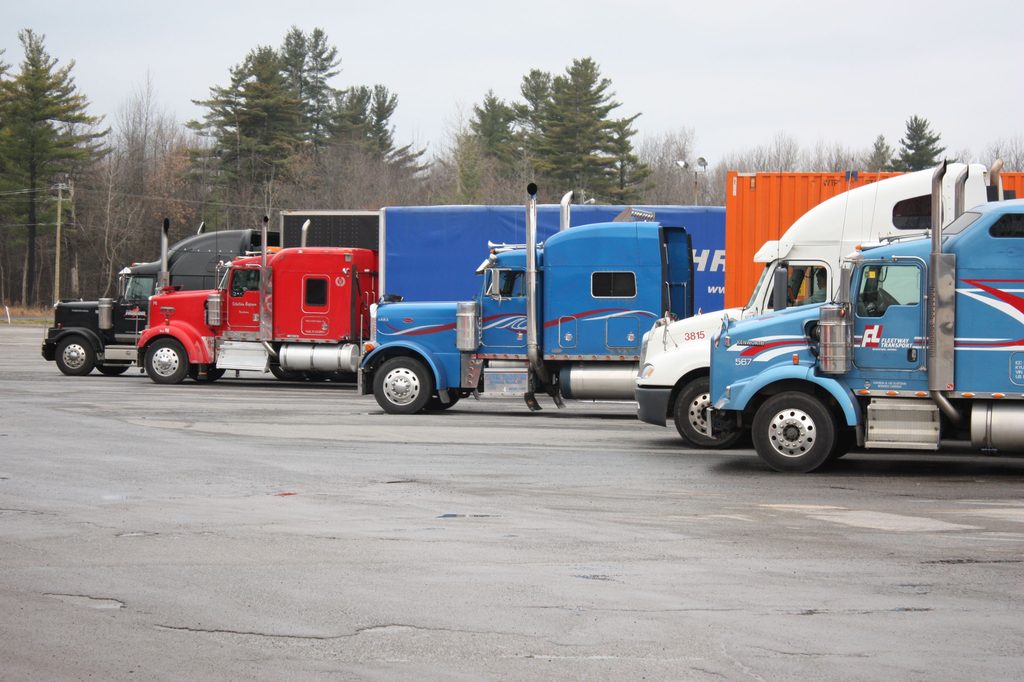
Haulers insurance protects trucking and hauling businesses from financial losses caused by accidents, property damage, cargo loss, or legal claims. With the right policy in place, business owners can operate confidently while protecting their vehicles, cargo, and reputation.
In this guide, we will explain what haulers insurance is, what it covers, why it is important, and how to choose the best policy for your hauling business.
What Is Haulers Insurance?
Haulers insurance is a specialized type of commercial insurance designed for businesses that transport goods, materials, or equipment using trucks or trailers.
Unlike standard vehicle insurance, haulers insurance provides broader protection that includes liability coverage, cargo protection, and damage coverage for hauling operations.
Businesses that commonly require haulers insurance include:
- Trucking companies
- Dump truck operators
- Construction material haulers
- Junk removal services
- Freight transport businesses
- Equipment transport services
Without proper insurance coverage, a single accident could lead to thousands — or even millions — of dollars in damages.
Why Haulers Insurance Is Important
Transportation businesses face unique risks every day. From highway accidents to cargo theft, many factors can threaten both safety and profitability.
Here are several reasons why haulers insurance is critical.
Financial Protection Repairing trucks, replacing damaged cargo, or paying legal fees can be extremely expensive. Insurance ensures your business can recover from unexpected losses.
Legal Compliance In many regions, commercial hauling businesses are legally required to carry minimum liability coverage to operate on public roads.
Business Credibility Clients often prefer working with insured transport companies. Having proper coverage demonstrates professionalism and reliability.
Risk Management Insurance policies help reduce financial exposure and allow business owners to focus on growth rather than potential losses.
Types of Coverage Included in Haulers Insurance
A comprehensive haulers insurance policy usually includes several types of protection.
Commercial Auto Liability This coverage protects your business if one of your trucks causes property damage or injuries in an accident. It typically pays for medical costs, repairs, and legal claims.
Physical Damage Coverage Physical damage insurance covers repairs or replacement if your truck is damaged due to collisions, fire, vandalism, or natural disasters.
Cargo Insurance If freight is damaged, lost, or stolen, this coverage reimburses the value of the cargo.
General Liability Insurance General liability coverage protects against accidents that occur during loading, unloading, or while operating at customer sites.
Non-Owned Trailer Coverage If you frequently haul trailers that belong to other companies, this coverage protects against damage to those trailers.
Additional Coverage Options Worth Considering
Beyond the core policy types, many hauling businesses benefit from a few optional coverages depending on how they operate:
- Motor Truck Cargo Coverage — a more specialized form of cargo protection tailored specifically to trucking operations, often required by shippers before they’ll hire a carrier
- Bobtail Insurance — covers a truck when it’s being driven without a trailer attached, such as when returning from a delivery
- Trailer Interchange Coverage — protects trailers that are exchanged between carriers under a trailer interchange agreement
- Workers’ Compensation — covers medical costs and lost wages if a driver or employee is injured on the job
- Environmental or Pollution Liability — important for haulers transporting hazardous materials, fuel, or waste, where spills
could trigger cleanup costs and regulatory fines
Not every hauling business needs all of these, but reviewing them with an agent can reveal gaps that standard liability coverage alone wouldn’t catch.
Who Needs Haulers Insurance?
Any business involved in transporting goods or materials should consider purchasing haulers insurance.
Common examples include:
- Independent truck drivers
- Logistics companies
- Waste and debris removal services
- Construction hauling businesses
- Equipment transport providers
Even small hauling operations can face major financial risks without insurance protection.
How Much Does Haulers Insurance Cost?
The cost of haulers insurance varies depending on several factors.
Key pricing factors include:
- Type of cargo transported
- Number and value of trucks
- Driving history of operators
- Coverage limits selected
- Operating region and distance traveled
- Business size and revenue
On average, small hauling businesses may pay between $4,000 and $12,000 per year for comprehensive coverage. However, large fleets or specialized transport services may pay significantly more.
Common Mistakes That Lead to Denied Claims
Even with a policy in place, claims can be denied if certain details aren’t handled correctly. Some of the most frequent issues include:
- Underreporting cargo value — insuring cargo for less than its actual worth can result in only partial reimbursement after a loss
- Operating outside approved routes or regions — some policies restrict coverage to specific operating areas, and straying outside them can void a claim
- Missing maintenance records — insurers may deny claims tied to mechanical failure if there’s no documented proof of regular vehicle maintenance
- Hiring uninsured or improperly licensed drivers — this can invalidate coverage entirely if an accident occurs
- Failing to disclose changes in operations — adding new cargo types, routes, or vehicles without updating your policy can create coverage gaps
Reviewing your policy annually, and any time your operations change, helps avoid these costly surprises.
How to Choose the Best Haulers Insurance Policy
Selecting the right policy requires careful evaluation of your business needs.
1. Assess Your Risks Identify the types of cargo you haul, routes you travel, and potential operational risks.
2. Compare Insurance Providers Different insurers offer different coverage limits and pricing structures. Comparing multiple quotes helps you find the best value.
3. Check Coverage Limits Ensure your policy covers potential cargo value, vehicle replacement costs, and liability risks.
4. Review Policy Exclusions Some policies exclude specific cargo types or certain routes, so read the policy details carefully.
5. Work With a Commercial Insurance Specialist Insurance agents specializing in transportation businesses can help tailor policies to your exact needs.
Tips to Lower Haulers Insurance Premiums
Insurance costs can add up quickly, but several strategies may help reduce premiums.
- Maintain clean driving records
- Install GPS tracking systems
- Use dash cameras for safety monitoring
- Provide driver safety training
- Choose higher deductibles
Many insurers offer discounts for businesses that demonstrate strong safety practices.
Final Thoughts
Operating a transport or hauling business involves many risks, but the right insurance coverage can protect both your assets and your future. Haulers insurance provides essential protection against accidents, cargo loss, liability claims, and vehicle damage.
By choosing a comprehensive policy tailored to your operations, you can safeguard your business, build trust with clients, and focus on growing your hauling company with confidence.
Pingback: Insurance Industry Catchalls: What They Are In 2026 - insurance blog